
The Most Common Graffiti Targets in Portland: Walls, Fences, and Alleyways
on Monday, June 15, 2026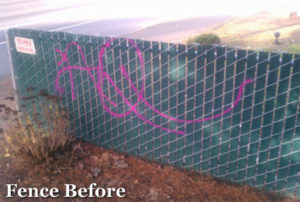
Not every surface in Portland gets tagged equally.
Some walls seem to attract graffiti repeatedly, while others nearby remain untouched for months or even years. The difference usually comes down to a combination of visibility, material type, access, and neighborhood layout.
By June, when Portland enters peak outdoor activity season, these patterns become even more noticeable.
For property owners searching for graffiti removal in Portland, understanding which surfaces are most vulnerable can help prevent repeat incidents before they escalate.

Why Certain Surfaces Attract More Graffiti
Graffiti follows predictable environmental patterns.
The most common targets tend to share a few characteristics:
- High visibility
- Easy nighttime access
- Large uninterrupted surfaces
- Minimal monitoring
- Existing staining or ghosting
In Portland, these conditions appear repeatedly across:
- Alley-facing walls
- Commercial fencing
- Retaining walls
- Utility corridors
- Rear loading zones
Different neighborhoods produce different vulnerabilities.

Alley-Facing Brick in Buckman and Central Eastside
Some of Portland’s most repeatedly tagged surfaces sit behind buildings rather than in front of them.
In Buckman and the Central Eastside, older commercial structures often include:
- Narrow service alleys
- Exposed brick walls
- Rear loading entrances
- Limited nighttime lighting
These alley-facing surfaces are especially vulnerable because they combine:
- Historic porous masonry
- Reduced visibility from the street
- Frequent delivery access
During summer, restaurants and businesses increase rear-alley usage, which raises activity levels while also increasing visual exposure.
This is one reason brick graffiti removal in Portland becomes especially important in older inner Southeast neighborhoods.

Fencing in East Portland and Rockwood
Move east toward Rockwood, Hazelwood, and outer Division, and the pattern changes.
Here, fencing becomes one of the most common graffiti targets.
Why?
Because East Portland contains:
- Long stretches of commercial fencing
- Flat visibility corridors
- Wide roads with extended sightlines
- Large parking lots and utility areas
Wood fencing, CMU block fencing, and temporary construction barriers are all common.
Once tagging begins on fencing, it often spreads rapidly because surfaces are continuous and highly visible from passing traffic.
Routine pressure washing and fast commercial graffiti cleanup help reduce this layered buildup before repeat patterns form.

Retaining Walls in Happy Valley
Happy Valley introduces a completely different graffiti environment.
Because of the area’s elevation changes and hillside development patterns, retaining walls become major visual surfaces.
These walls often:
- Sit directly at vehicle eye level
- Follow curved roadway alignments
- Experience runoff staining from slope drainage
- Remain lightly monitored overnight
Unlike flat commercial walls in East Portland, hillside retaining walls gain visibility through elevation positioning.
In newer developments near Sunnyside or Pleasant Valley edges, retaining walls are often freshly poured concrete — making them highly attractive to tagging before landscaping matures.

Utility Corridors and Industrial Zones in Troutdale
Industrial Troutdale and Columbia corridor areas face another recurring issue: utility-adjacent tagging.
Properties near:
- I-84
- Frontage Road
- Distribution centers
- Rail-adjacent corridors
often include:
- Utility boxes
- Large metal-sided buildings
- CMU service structures
- Exposed loading zones
Wind exposure from the Gorge and open industrial layouts create long visibility lines that make tagging highly noticeable.
In these areas, fast graffiti removal in Portland Metro industrial zones becomes critical because highly visible tags tend to attract repeat incidents quickly.
Why Blank Surfaces Are More Vulnerable
One pattern appears consistently across Portland:
The larger and more uninterrupted the surface, the greater the graffiti risk.
This includes:
- Long retaining walls
- Large warehouse facades
- Freshly painted commercial walls
- Temporary construction fencing
Blank visual space naturally attracts attention.
This is why newly developed areas in:
- Sandy growth corridors
- Clackamas retail expansion zones
- East Portland redevelopment sites
often experience graffiti shortly after construction phases begin.
Surface Material Changes Removal Difficulty
Different surfaces don’t just attract graffiti differently — they respond differently after tagging.
Brick
Absorbs pigment deeply and requires careful restoration.
Concrete
Can show visible “halo” effects after improper cleaning.
Metal
Often develops shadowing if solvents are overused.
Wood fencing
Absorbs unevenly and may require both cleaning and refinishing.
This is why professional graffiti removal in Portland depends heavily on material-specific treatment.
Graffiti Coating Works Best on Repeat Targets
Some surfaces become recurring targets no matter how quickly they are cleaned.
For high-risk areas, professional graffiti coating systems help reduce long-term damage by creating a protective barrier between paint and the underlying material.
This is especially useful for:
- Historic brick
- Commercial fencing
- High-visibility retaining walls
- Alley-facing commercial surfaces
Protective coatings make future cleanup faster and less invasive.
Summer Changes the Risk Level
By June, Portland’s dry weather changes how graffiti behaves.
Paint cures faster. Visibility increases. Foot traffic rises.
This means:
- Tags become more noticeable
- Pigments settle deeper into surfaces
- Repeat patterns develop more quickly
The surfaces most vulnerable in winter are not always the same ones most vulnerable in summer.
Understanding seasonal shifts helps property owners prioritize maintenance strategically.
The Most Effective Prevention Starts With Awareness
Most repeat-tagging issues begin because property owners do not recognize which surfaces are most exposed.
Once you identify:
- visibility patterns
- access points
- vulnerable materials
- repeat-target locations
you can respond faster and reduce long-term damage significantly.
Portland’s Graffiti Patterns Are Predictable
From alley-facing brick in Buckman to retaining walls in Happy Valley, Portland’s graffiti targets follow clear physical and environmental patterns.
The more a property owner understands:
- surface type
- neighborhood layout
- visibility
- seasonal activity
the easier it becomes to prevent repeat problems before they escalate.
If your property includes vulnerable walls, fencing, or alley-facing surfaces, proactive maintenance can reduce long-term graffiti damage. Learn more about graffiti removal in Portland, professional pressure washing, or protective graffiti coating services, or request help through the graffiti removal contact page.

