
Why Empty Lots and Demolition Sites Are Magnet Zones for Graffiti in Portland
on Friday, July 4, 2025 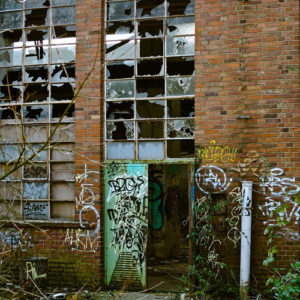
In Portland’s busy summer construction season, demolition zones and empty lots become more than just the first stage of future development — they become open invitations for graffiti. Whether you’re prepping for a new build in Lents, tearing down an old structure in Northeast, or pausing mid-project in Sellwood, unattended spaces send a signal: nobody’s watching.
For contractors, property developers, and site managers, this graffiti problem isn’t just cosmetic. It can delay progress, increase cleanup costs, and even attract more serious crime. In this post, we’ll explain why these sites are targeted, what it costs you, and how to proactively protect your project.
Why Graffiti Targets Demolition Zones
Demolition and vacant sites are high-risk for tagging because they offer the three things graffiti vandals seek: time, access, and visibility.
1. Time: No One’s Watching
These sites often sit unattended overnight, on weekends, or for extended pauses between permits and phases. That lack of daily oversight creates an ideal opportunity for tagging.
2. Access: No Barriers
If fencing is incomplete or unsecured — or if workers leave open entry points — taggers walk right in. Demolition zones often include freestanding walls, plywood barriers, and concrete forms that make perfect surfaces for paint or marker.
3. Visibility: Maximum Exposure
Ironically, graffiti artists like these sites because their “work” gets high visibility from pedestrians and drivers. A tagged wall at a demolition site on SE Powell or N Mississippi gets seen by thousands every day.
The True Cost of Graffiti on Construction Sites
Most contractors factor in standard cleanup. But graffiti adds unexpected costs — financial, legal, and reputational.
Financial Impacts:
Higher Insurance Claims: Repeat vandalism can trigger policy scrutiny or rate hikes.
Rework & Delays: Tagged walls often need to be power-washed, repainted, or replaced before inspections or the next build phase.
Surface Damage: Unprotected plywood or porous concrete absorbs paint deeply, leading to more aggressive (and costly) removals.
Regulatory & Legal Risks:
City Compliance: Portland code requires graffiti removal within a specific time frame or the city may bill owners for abatement.
HOA & Neighborhood Pressure: If your site is near residential zones, community associations may escalate enforcement or fine delays.
Brand Reputation:
If you’re a developer with signage on-site — or a GC with a fleet of vehicles — a graffiti-covered lot sends the wrong message about your professionalism and site safety.
Prevention Tips for Portland Demolition Sites
Proactive strategies work. Here’s how to secure your site against summertime tagging:
1. Install Physical Barriers
Secure fencing, even on temporary or phased sites, is the first line of defense. Use:
8 ft. chain link or opaque fencing with no footholds.
Tamper-resistant locks and motion-sensitive flood lighting.
Anti-climb paint or spiked toppers where appropriate.
2. Remove Tags Immediately
The longer graffiti stays up, the more likely it will attract more. Fast removal shows that your site is being watched — and that tagging won’t last. Work with a trusted local team like Portland Graffiti Removal LLC for prompt service.
3. Use Anti-Graffiti Coatings
Even if your walls are temporary, applying a sacrificial coating can save thousands in the long run. These coatings allow quick cleanups without damaging underlying surfaces like stucco, masonry, or painted plywood.
4. Signage & Surveillance
Clear “monitored property” signage — even with dummy cameras — can deter casual taggers. Real-time motion-triggered surveillance is even better and increasingly affordable.
5. Schedule Regular Site Checks
Assign crew or subcontractors to perform graffiti sweeps every morning before work begins. The earlier you catch and document it, the less risk and cost you face.
Timing Matters: Summer Is Peak Tagging Season
Portland’s dry summer months — especially July through early September — are the busiest time for demolition, site prep, and new builds. But they’re also prime graffiti months.
Why Summer Makes Things Worse:
Longer daylight hours mean more tagging opportunities.
Warm nights mean taggers stay out longer.
More foot traffic increases exposure and risk.
Staffing gaps due to vacations or reduced Friday crews lower site monitoring.
If your site sits idle for even a few days over the Fourth of July weekend, it could be tagged before Monday.
Need Fast Removal or a Site Evaluation?
At Portland Graffiti Removal, we work with developers, contractors, and property owners to clean, protect, and maintain demolition and construction sites all across the metro area — including Gresham, Beaverton, Milwaukie, and Vancouver, WA.
We offer:
Same-day removal service
Anti-graffiti coating application
Site assessments and prevention strategies
Seasonal maintenance contracts for large-scale projects
Keep Your Jobsite Clean and Secure
Don’t let tagging set your project back or damage your brand. Call 971.678.5249 or use our online form to schedule a site inspection or get fast graffiti removal before it spreads.
SEO Title: Graffiti on Demolition Sites: How Portland Builders Can Stay Ahead
SEO Description: Demolition zones in Portland attract graffiti fast. Learn how to protect your site before it becomes a billboard for vandals.

